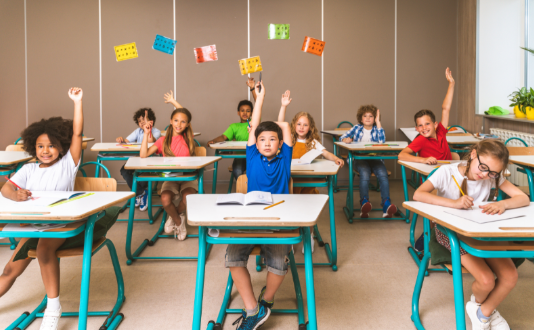
Step into an international school in Singapore, and you’ll find more than just classrooms filled with eager learners. These schools are melting pots of cultures, languages, and traditions, bringing together students from all corners of the globe. The result? An education that extends beyond textbooks, shaping young minds to appreciate and navigate a multicultural world.
The Role of Diversity in Education
Diversity is more than a buzzword in an international primary school. It’s embedded in the curriculum, daily interactions, and even lunchtime conversations. Students experience firsthand the importance of respecting different perspectives. By growing up in a multicultural setting, they learn to appreciate differences rather than fear them. This exposure nurtures adaptability and open-mindedness—qualities that will serve them well in a world where global connections are more vital than ever.
How International Schools Celebrate Diversity
In an international primary school in Singapore, diversity isn’t just acknowledged—it’s actively celebrated. From language lessons to cultural festivals, students gain a deep understanding of traditions outside their own. Schools often organise international days where students dress in their national attire, share traditional dishes, and showcase performances from their home countries. These experiences make cultural exchange an everyday norm rather than an occasional event.
Language education plays a crucial role in fostering inclusivity. Many schools offer bilingual or multilingual programmes, allowing students to communicate in more than one language. This not only enhances cognitive skills but also promotes empathy by encouraging children to see the world through different linguistic lenses.
ALSO READ: Exploring Differences Between International and Local Schools
A Curriculum That Reflects the World
The curriculum in an international school in Singapore is carefully crafted to reflect the global nature of its student body. Schools often adopt internationally recognised programmes, such as the International Baccalaureate (IB) or the Cambridge International Curriculum. These frameworks are designed to provide a broad, balanced education while allowing flexibility to incorporate cultural perspectives.
History lessons go beyond a single nation’s past, weaving in global events to provide a more holistic understanding. Literature classes feature books from diverse authors, exposing students to different storytelling traditions. Even subjects like mathematics and science are framed with real-world applications, making learning relevant across cultural contexts.
Social Integration and Student Interaction
Building friendships in a diverse environment requires an open heart and a curious mind. Schools encourage collaborative projects that bring students from different backgrounds together. Whether it’s a group science experiment or a community service initiative, these activities foster teamwork and understanding.
Teachers also play a crucial role in guiding students through cultural differences. They create safe spaces where questions can be asked, and misunderstandings can be addressed. By nurturing an atmosphere of respect and curiosity, educators ensure that students not only learn about other cultures but also build lifelong friendships with people from all walks of life.
Preparing Students for a Global Future
An international primary school is more than a place to memorise facts and pass exams. It’s a training ground for future leaders, innovators, and changemakers. Exposure to different cultures helps students develop essential life skills such as problem-solving, adaptability, and effective communication. These skills are highly valued in today’s interconnected world, where working with people from different backgrounds is the norm rather than the exception.
Employers seek individuals who can navigate multicultural environments with ease. Students who have spent years immersed in diverse classrooms naturally develop the ability to collaborate across borders. Whether they choose to work in Singapore or abroad, the foundation built in an international school ensures they are well-prepared to thrive in a global workforce.
A Hub of Cultural Learning
For parents considering an international primary school in Singapore, finding the right fit is crucial. The Grange Institution stands out as a school that not only prioritises academic excellence but also actively fosters cultural awareness. By creating an inclusive environment where students learn from each other’s experiences, The Grange Institution equips young learners with the tools they need to navigate an ever-evolving global landscape. Contact The Grange Institution to discover how your child can benefit from a diverse and enriching international education.